Why Strong Visuals Are Essential for Every Hospitality Brand
A guest's decision to book a hotel is made almost entirely on visual evidence. Before they read a single line of copy, before they check the price, they have already formed an impression based on what the images tell them about a place. This is the reality that hospitality brands operate in, and it is the reason photography is not a nice-to-have but a fundamental part of how a property presents itself to the world.
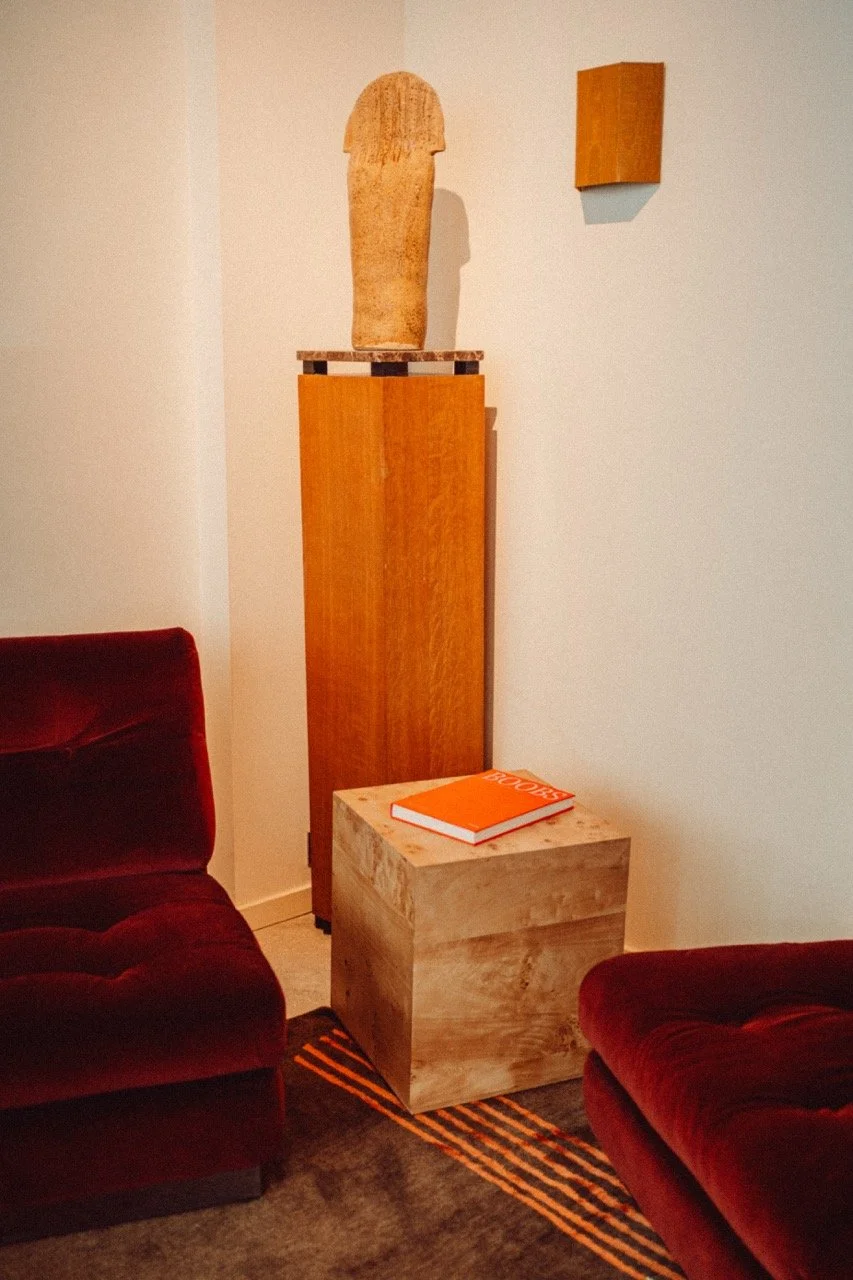
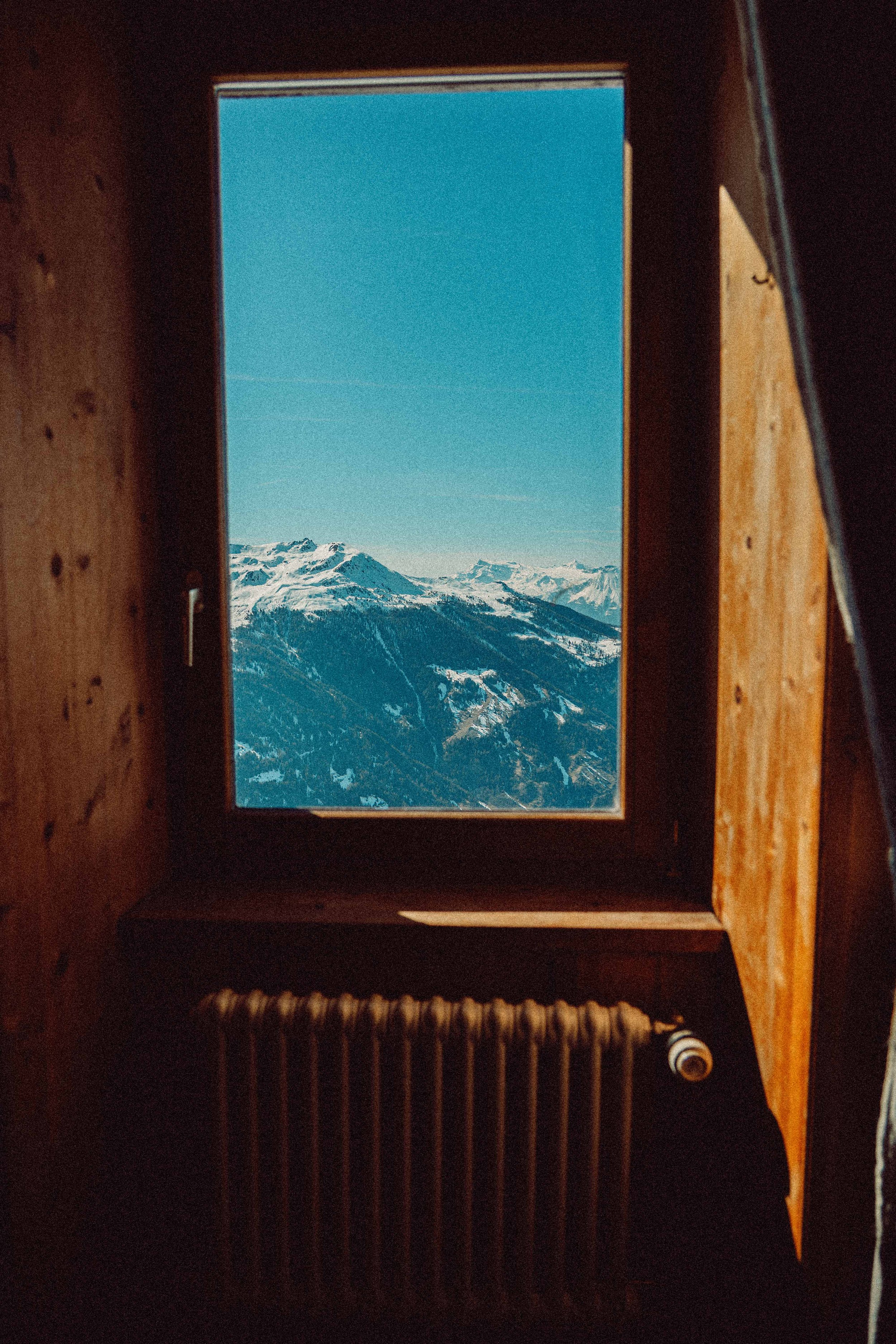
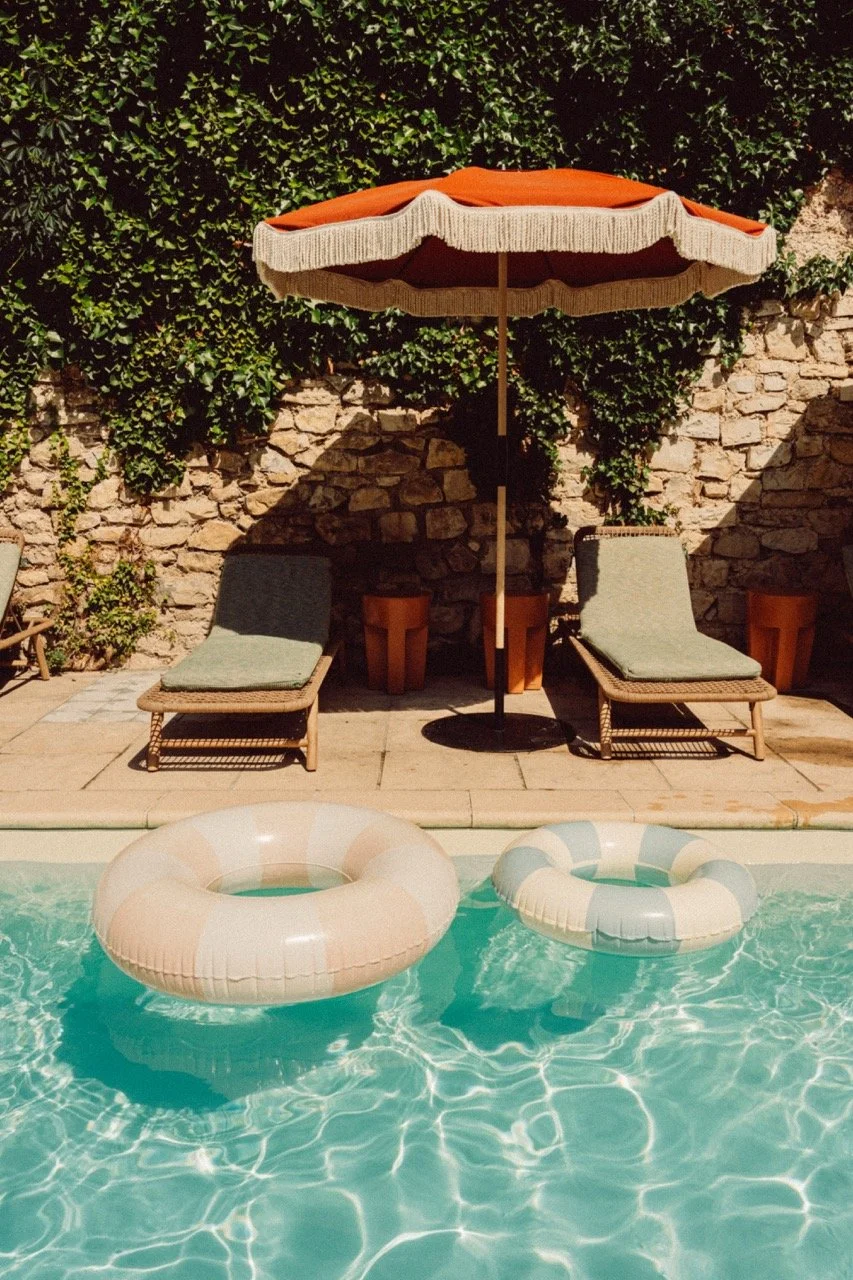
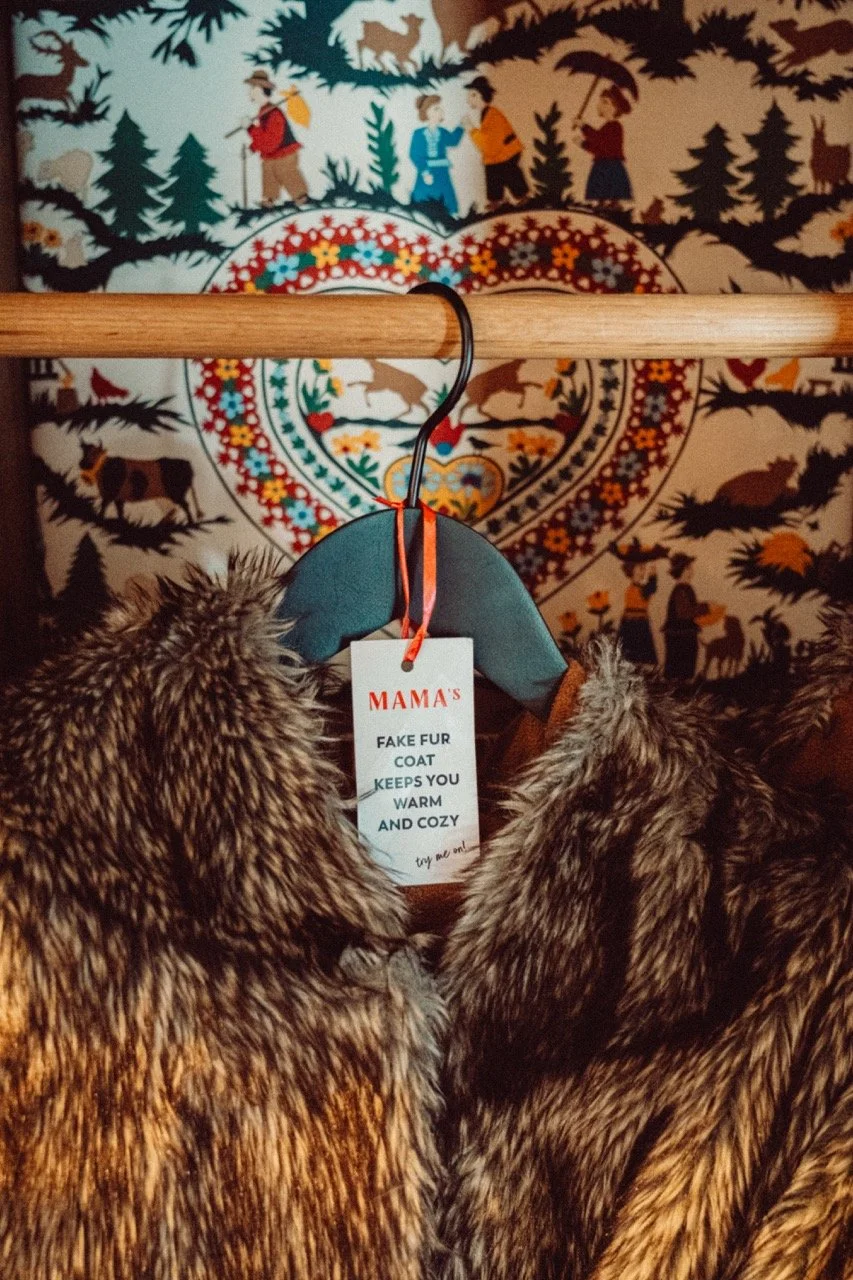
What guests are actually looking for
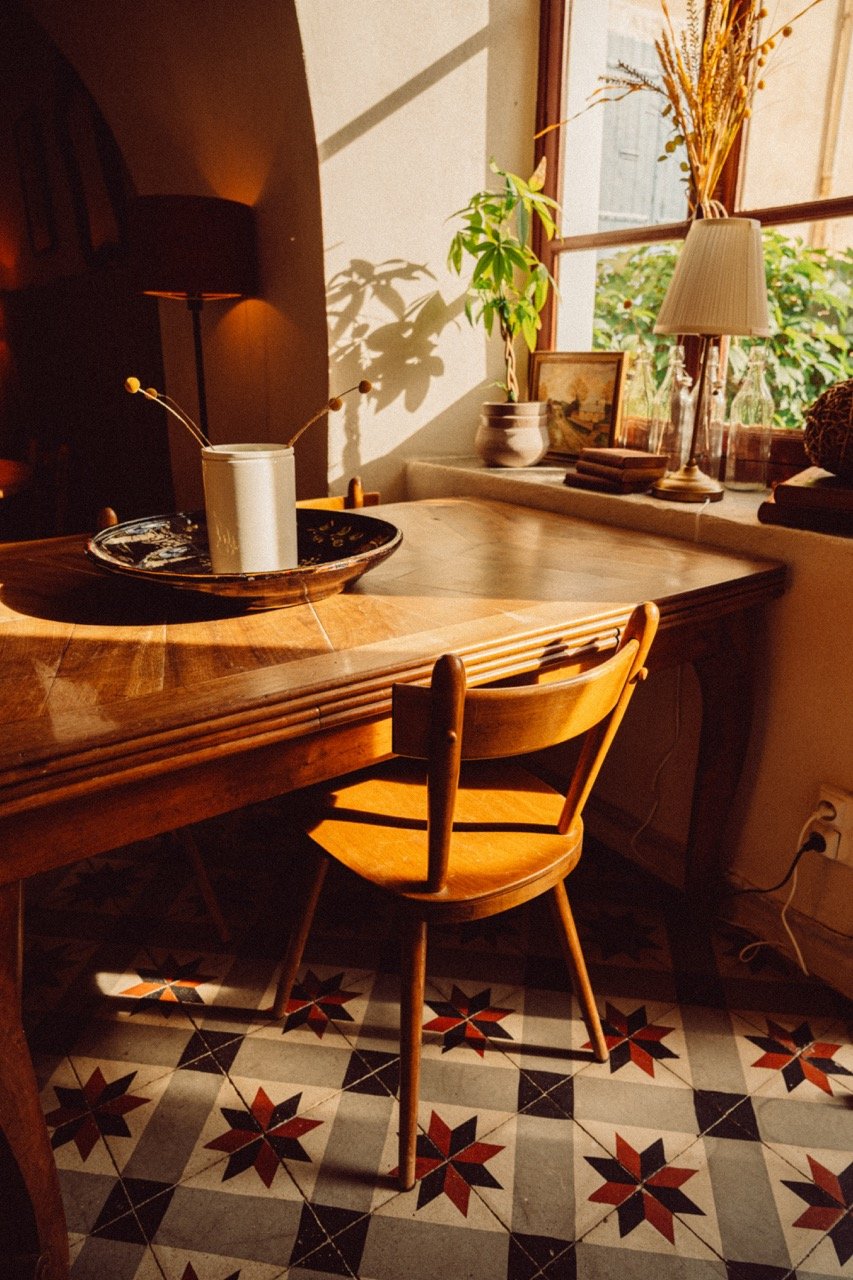
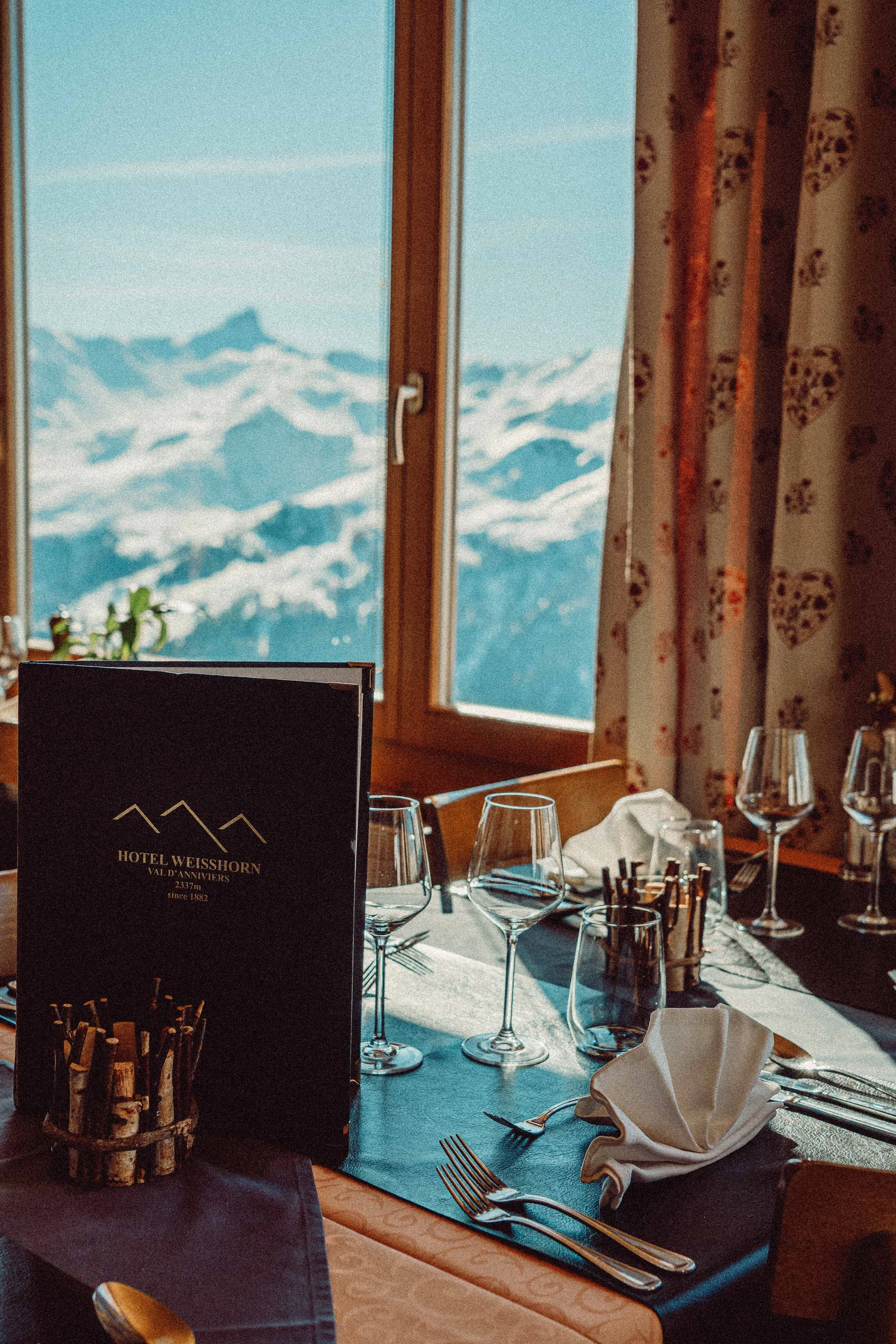
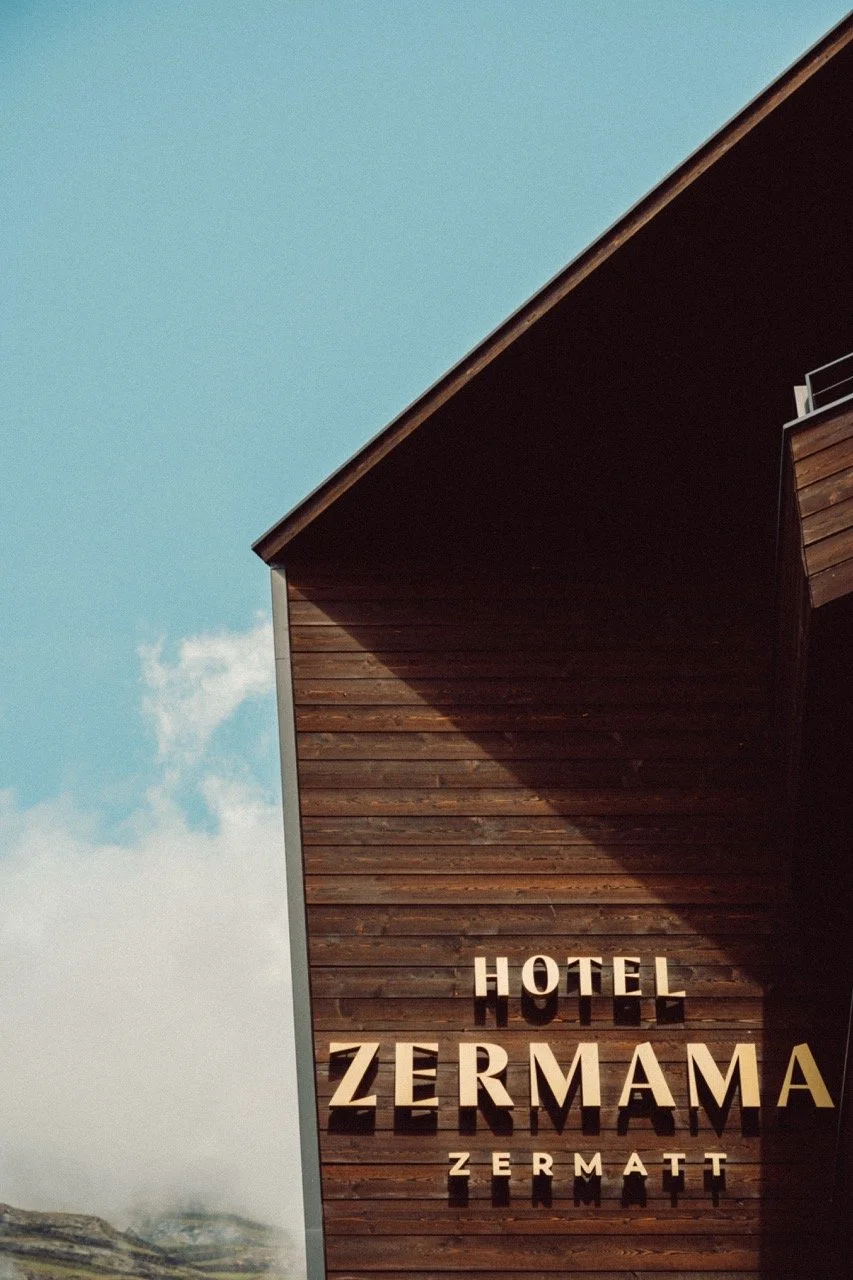
When someone looks at hotel photography, they are not evaluating a room. They are asking a more personal question: is this a place for me? The images need to answer that question clearly and honestly. A boutique property in Paris should feel different from a mountain chalet in Zermatt, which should feel different from a design hotel in Geneva. Photography that fails to communicate a hotel's specific character, that could have been taken anywhere, by anyone, leaves that question unanswered. And unanswered questions become reasons not to book.
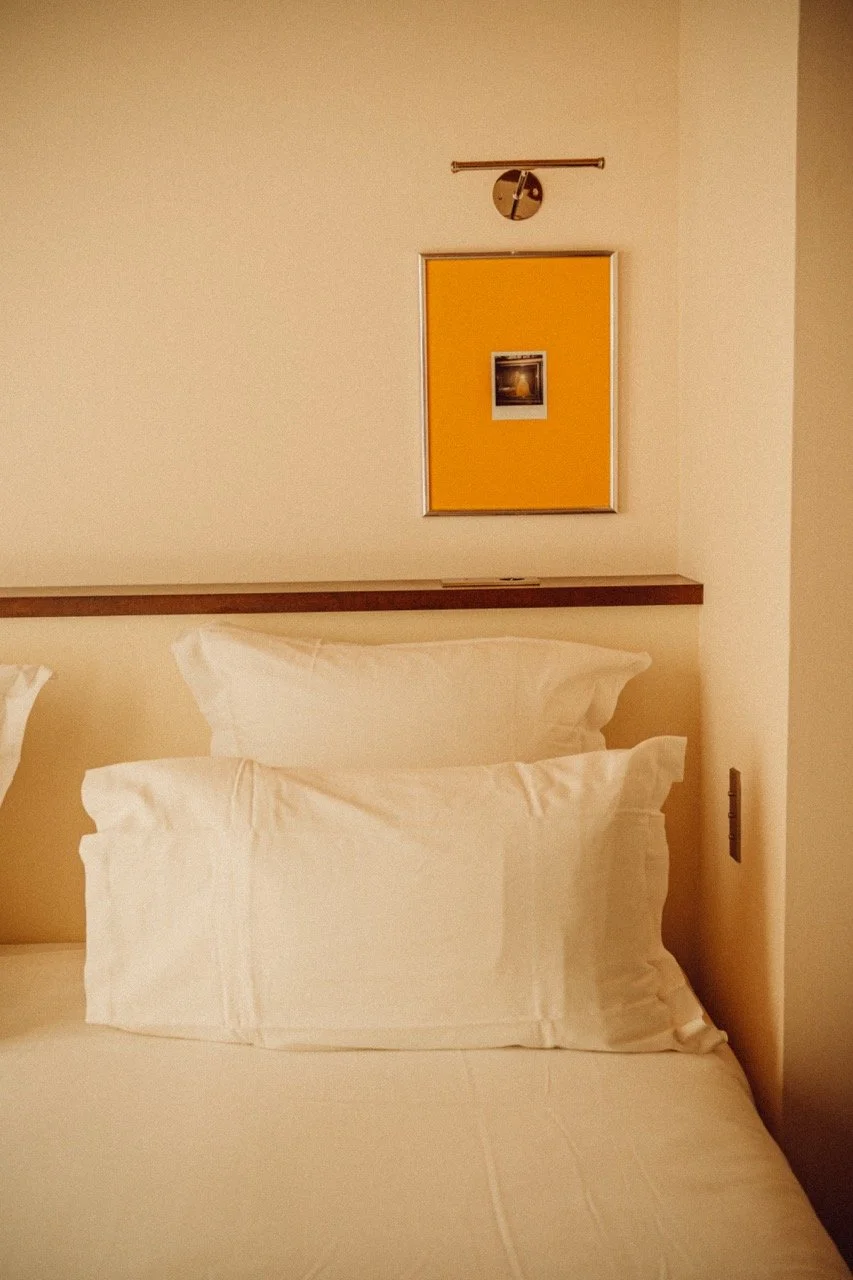
The best hotel photography does not just show a space. It shows a guest what it would feel like to be in that space: the quality of the light in the morning, the texture of the materials, the particular atmosphere that makes a property worth traveling to.

Where visuals do their work
Hotel photography is not a one-time asset. The same images will work across a property's website, its booking platform listings, press and editorial coverage, social media, and direct marketing. Each of these channels has different requirements, but all of them depend on the same underlying library of images.
A property with strong, distinctive photography has a compounding advantage: every channel it appears in reinforces the same impression. A property with weak or generic images has the opposite problem : Every channel it appears on is an opportunity to leave a poor first impression, or no impression at all.
For boutique and independent hotels, which cannot rely on chain brand recognition, this is especially acute. The images are often the only thing that distinguishes a property from the competition at the moment of decision.
The documentary approach to hotel photography
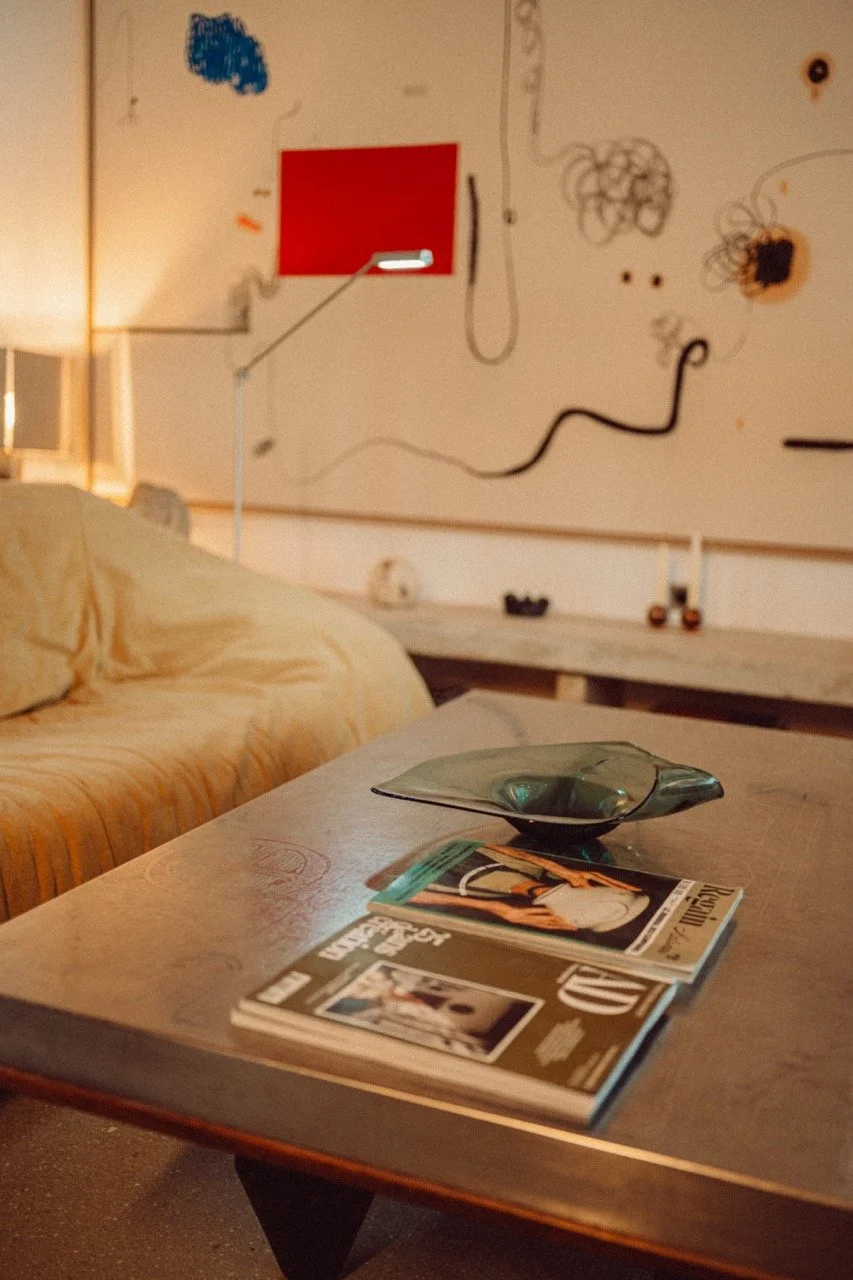
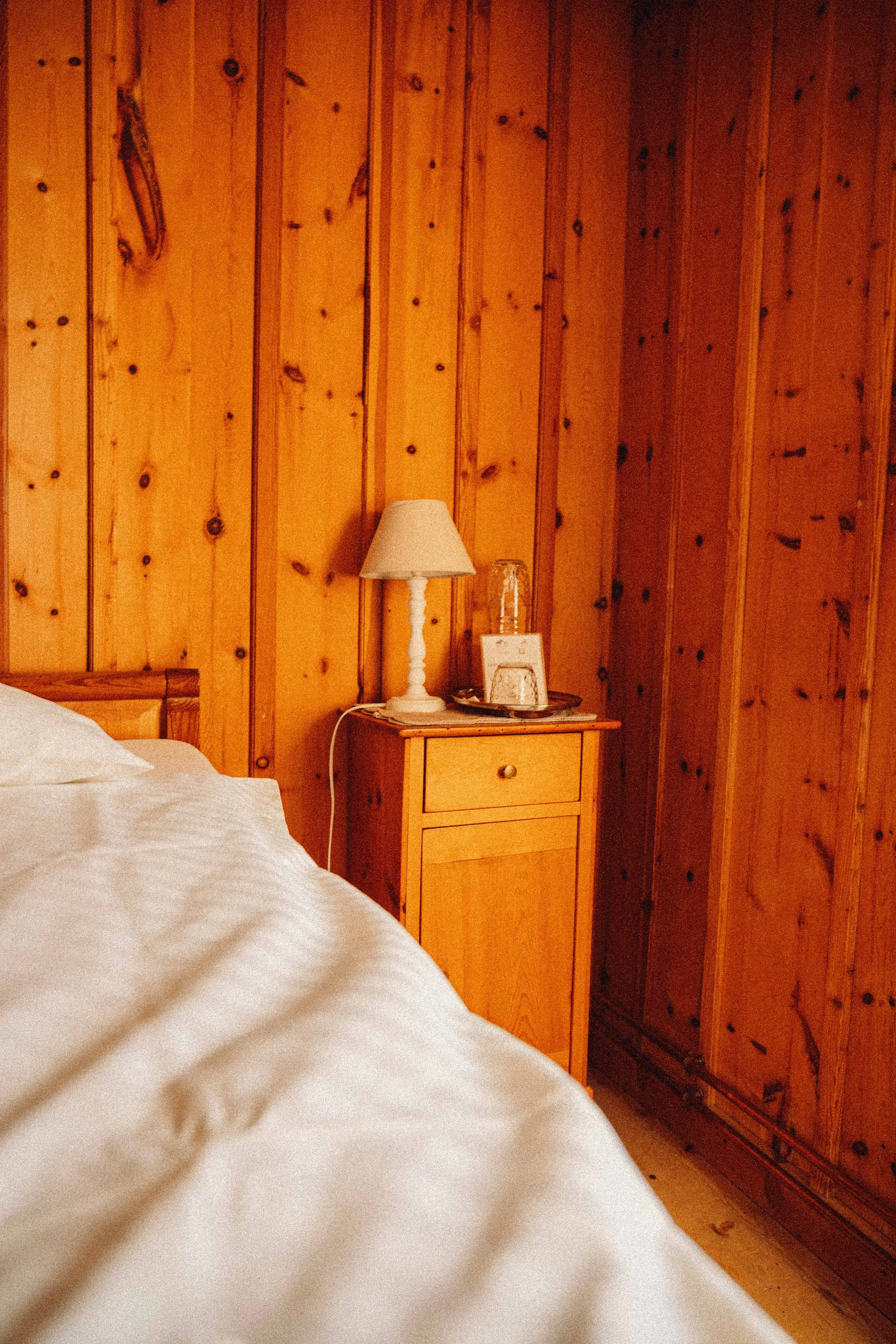
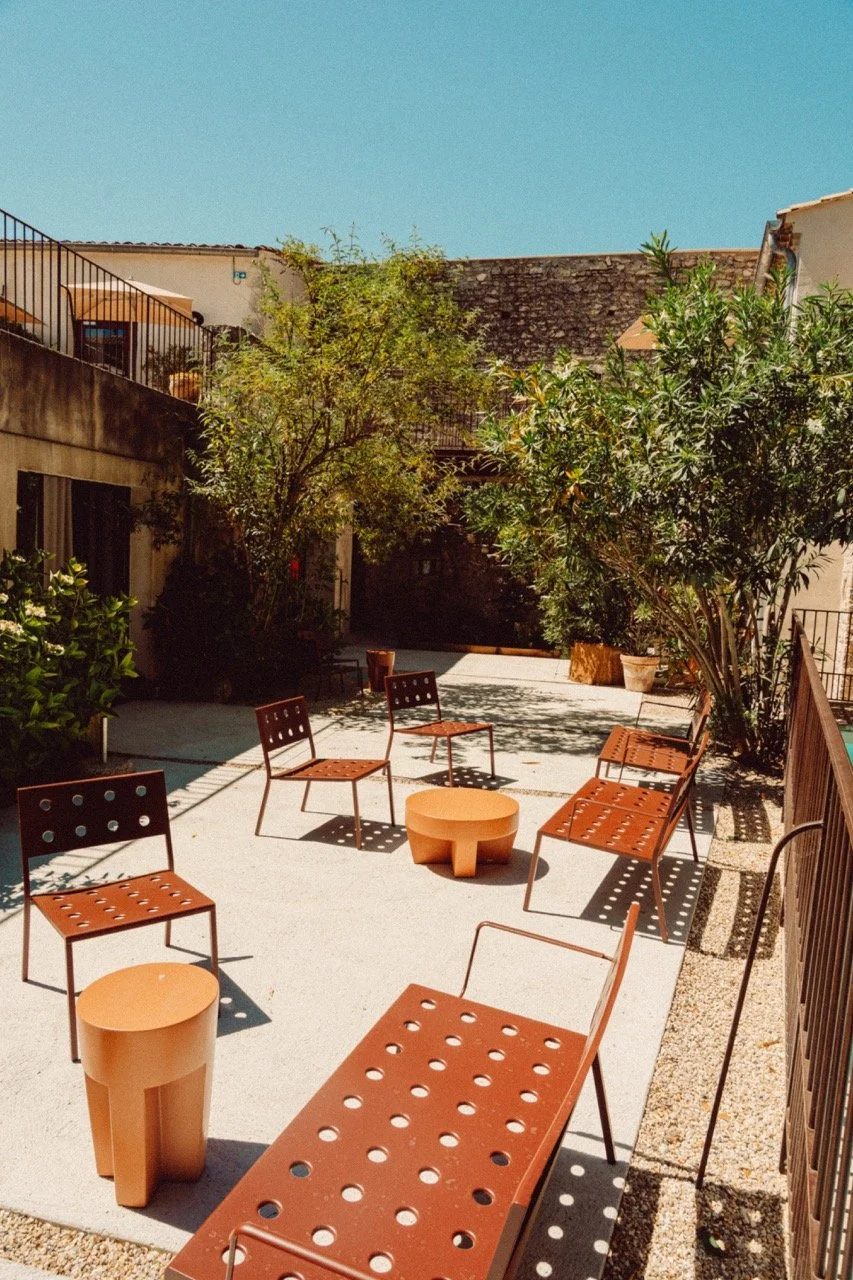
There is a meaningful difference between photography that shows what a hotel looks like and photography that shows what a hotel is like. The first is a catalogue. The second is a portrait.
My approach to hotel photography is documentary in sensibility: available light wherever possible, natural moments rather than staged compositions, and a consistent effort to find the details that make a place specific rather than generic. The goal is images that earn trust, that make a potential guest feel they already know a place before they arrive.
Working with hotels in Switzerland, France and beyond
Based in Vevey, I work with boutique hotels, independent properties, and hospitality brands across Switzerland and worldwide. If your property's photography no longer reflects what makes it worth visiting, I would be glad to talk.